



Test the offer before scaling
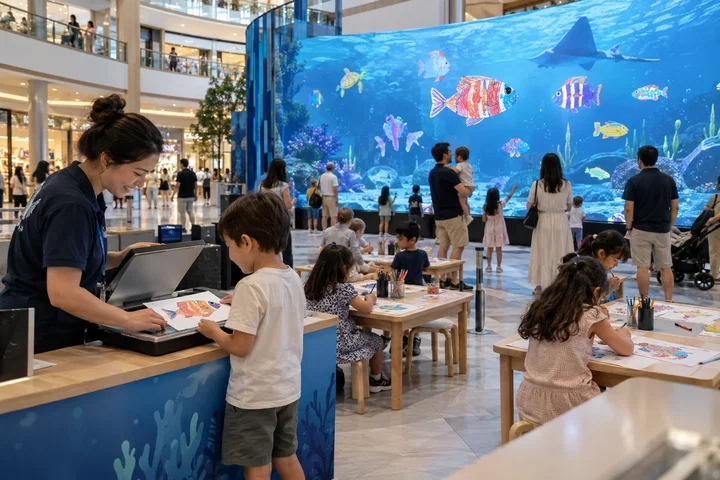
Define the experience, price, output and expected session length for a small pilot. Observe completed purchases, abandoned attempts, queues and staff interventions. Footfall is not the same as demand; use measured results rather than a guaranteed payback claim to decide the next step.
Verify the payment and access flow
Check payment or ticketing compatibility separately from the software license. Confirm how a successful payment starts the session, how failures are handled and who can issue assistance or refunds. Agree the commercial and local compliance requirements with appropriate providers and advisers.
Budget the everyday operation
Include staffing, consumables, payment costs, venue charges, support and maintenance. Physical games need a suitable movement area; printed outputs need replenishment. If the setup cannot reliably reset or recover, operate it with staff rather than describing it as unattended.
Put it into practice
Map successful payment, failed payment and an interrupted session as separate journeys. Establish who can help the guest and how any refund or retry is handled by the chosen payment provider and operator. Test these journeys with the intended hardware before a paid pilot. Compare completed paid sessions with staffing, consumables, venue and payment costs. Do not use footfall alone as a sales forecast, and do not assume that buying an event game includes a compatible payment system.
Before you quote the project
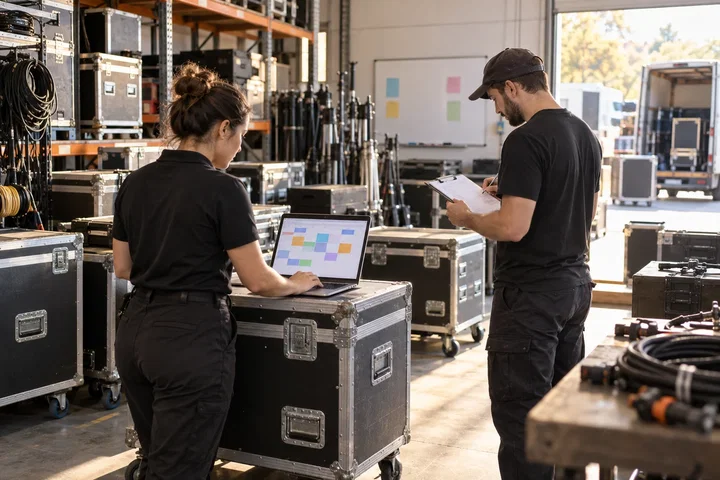
Turn the idea into a deliverable scope. Agree these points with your client and venue before committing.
Define the brief
Verify payment, session start and failure handling as a complete journey.
Test the complete setup
Assign guest assistance and refund handling before the paid pilot.
Confirm the scope
Review completed sessions and actual costs, not visitor footfall alone.