



Scope the complete event window
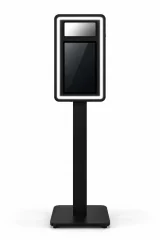
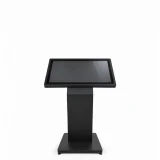
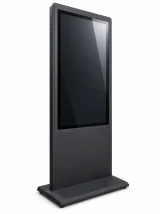
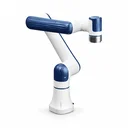
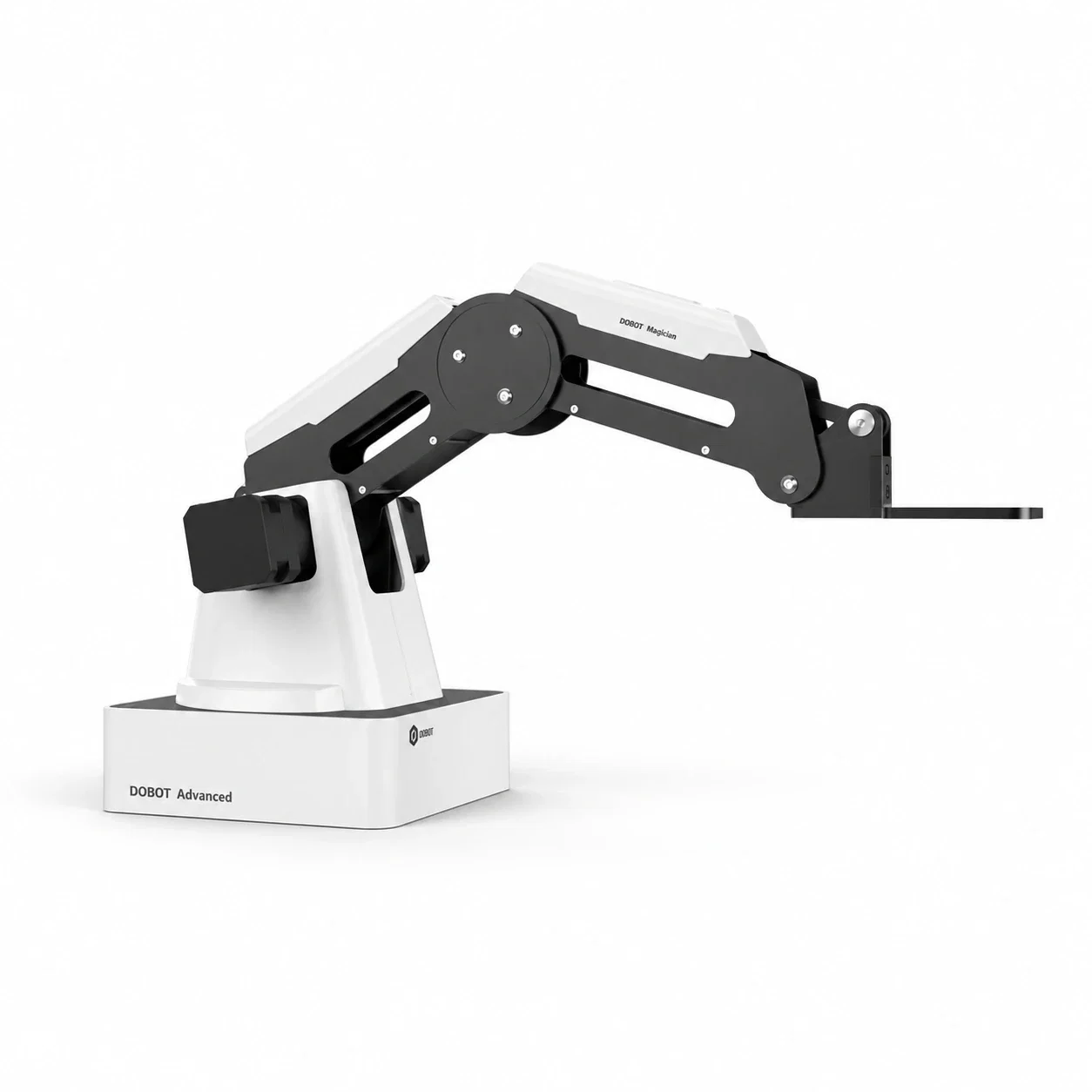
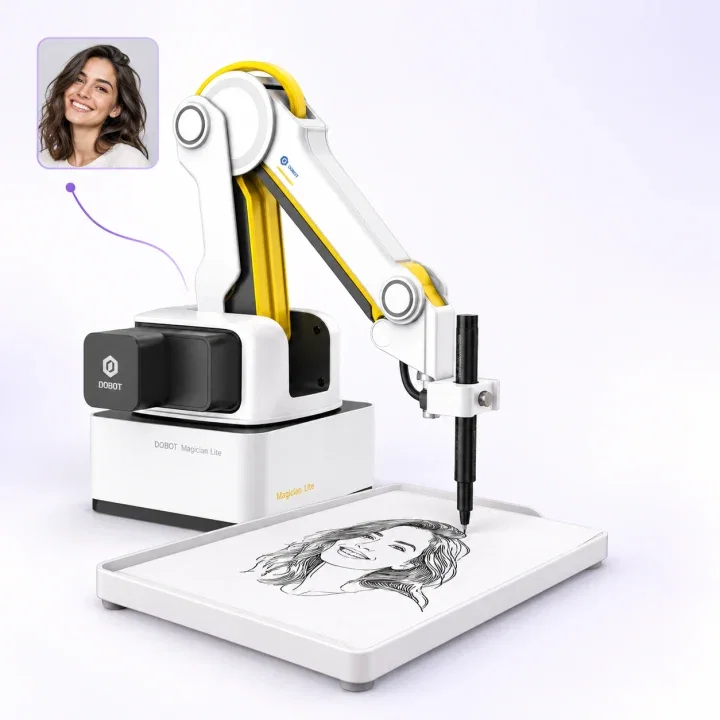
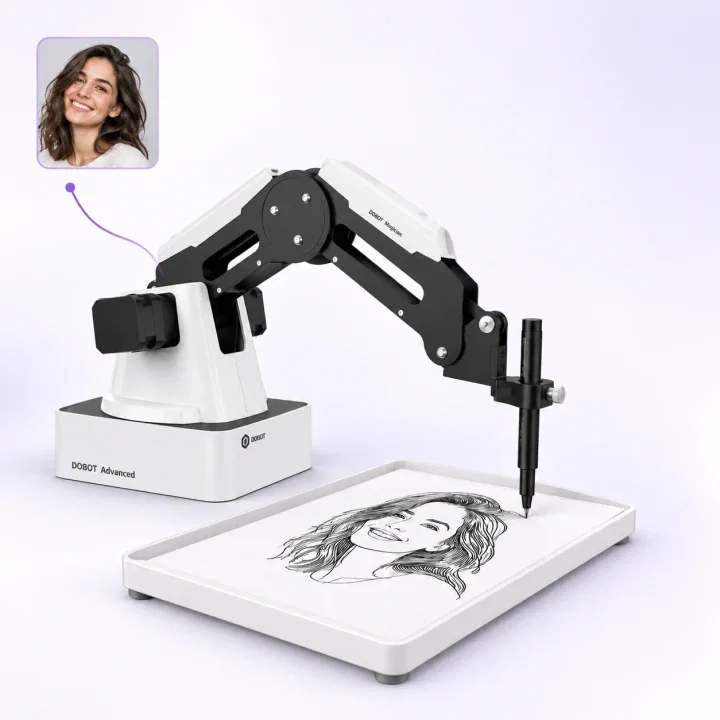
Agree access, installation, testing, guest-facing operating hours and removal. The venue may have restrictions that change the staffing or transport plan. A photo booth, flipbook production station, AI Drawing Robot and touchscreen game have different space and supervision needs; price the actual configuration.
Give every role an owner
Name who manages the queue, technical checks, print stock and client communication. Test handover between capture, output and sharing. Prepare a recovery plan and appropriate spare consumables or equipment. Do not promise simultaneous experiences if one operator cannot realistically manage them.
Close the event professionally
Agree the final delivery, content retention and any report before the booking. Confirm what the client may publish and which images you may use in your portfolio. Record actual costs and lessons while they are fresh, then update your checklist for the next job.
Put it into practice
For a staffed activation, build a run sheet around venue access, testing, opening, breaks and removal. Separate capture, physical production and handover when the chosen experience requires them. Give the operator a named client contact and an agreed escalation route. Rehearse a consumable change and a stopped session before doors open. At closure, confirm the final outputs and any permitted data handover, then record the real hours and materials so the next quote is based on evidence.
Before you quote the project
Turn the idea into a deliverable scope. Agree these points with your client and venue before committing.
Define the brief
Write the run sheet from load-in through final removal.
Test the complete setup
Rehearse interruptions, consumable replacement and handover between operators.
Confirm the scope
Confirm delivered outputs and record actual time and materials at closure.