

Create proof of the experience
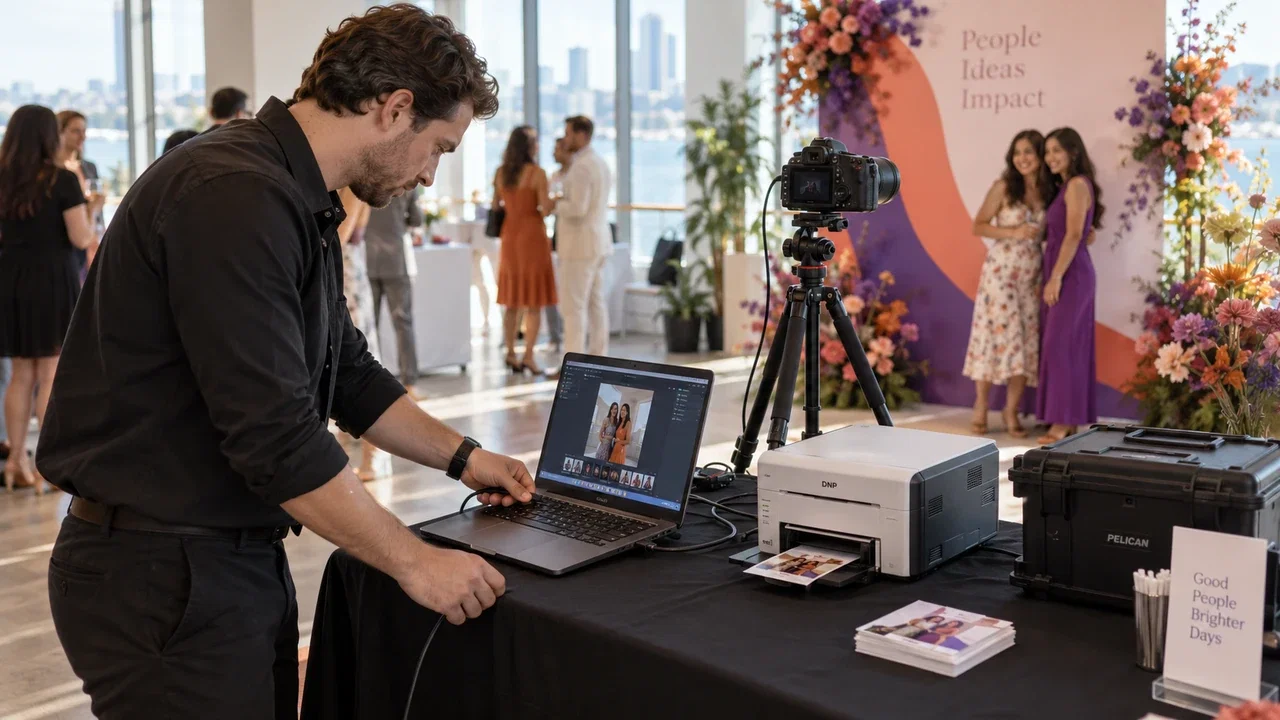
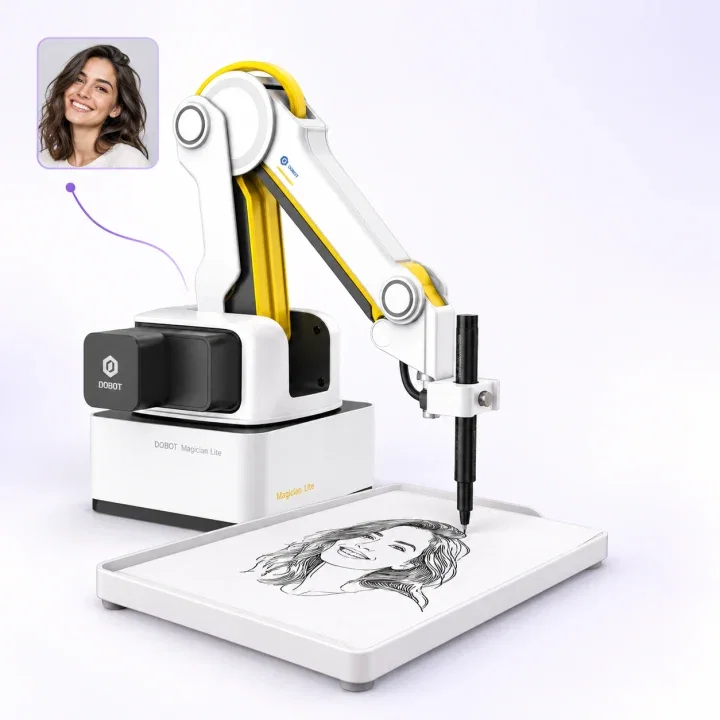
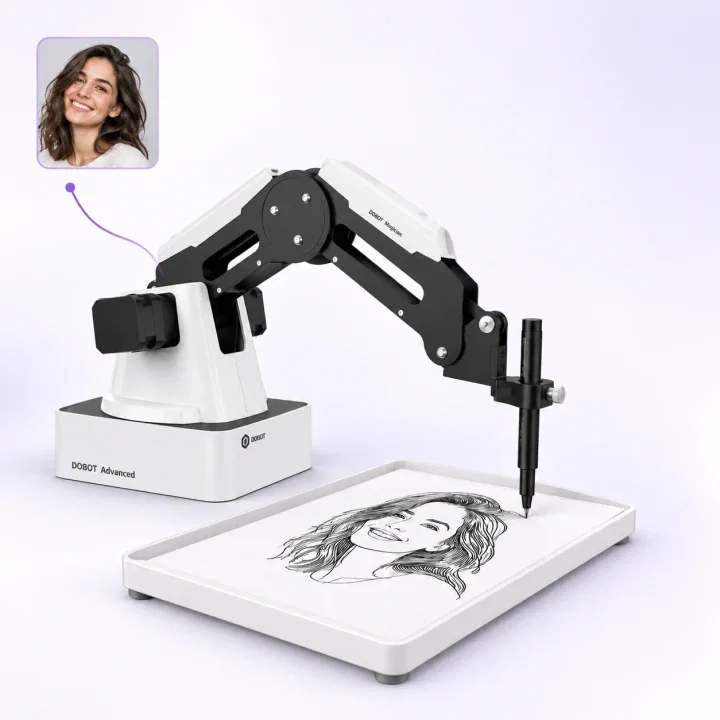
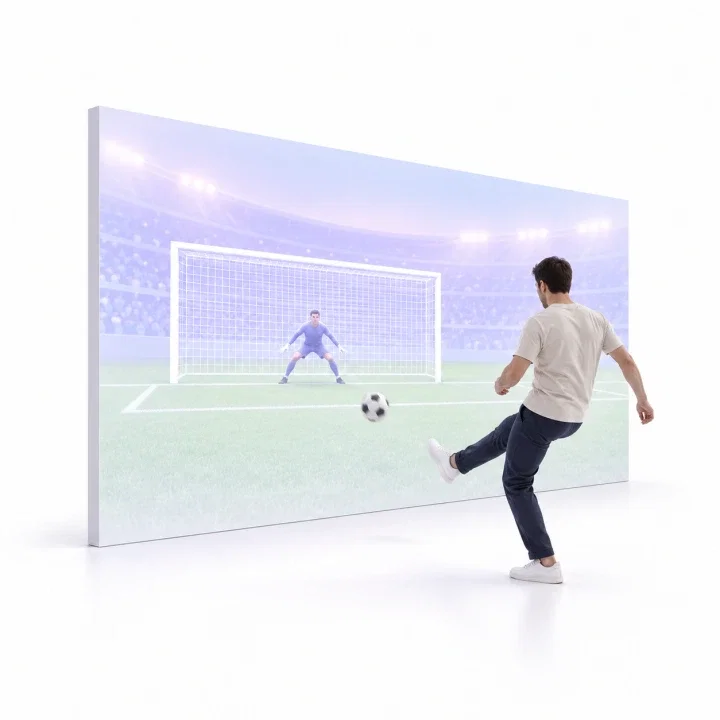
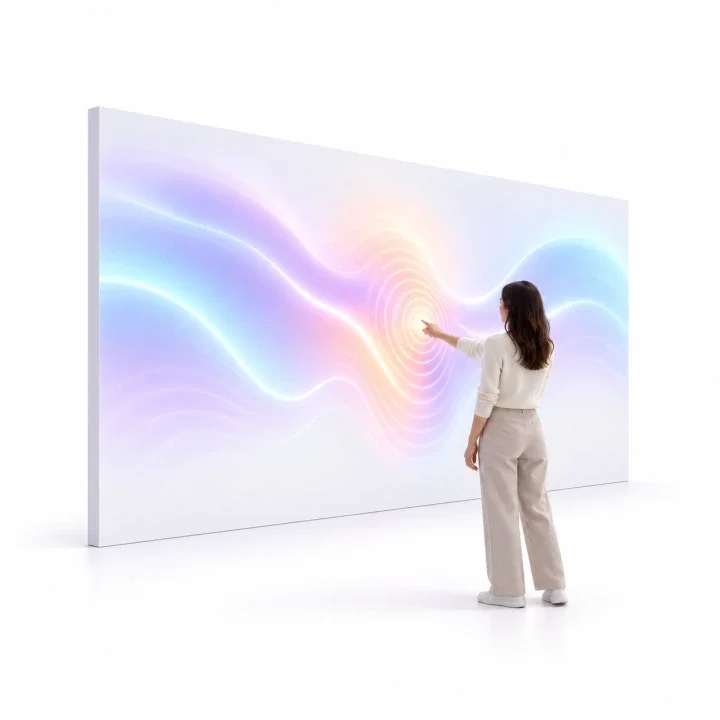
Record a complete demonstration using the actual equipment. Show how a guest starts, participates and receives the result. Label concept visuals as illustrations rather than presenting them as completed client work. Prepare a concise gallery for each offer, with the space and staffing requirements beside it.
Approach partners with a relevant offer
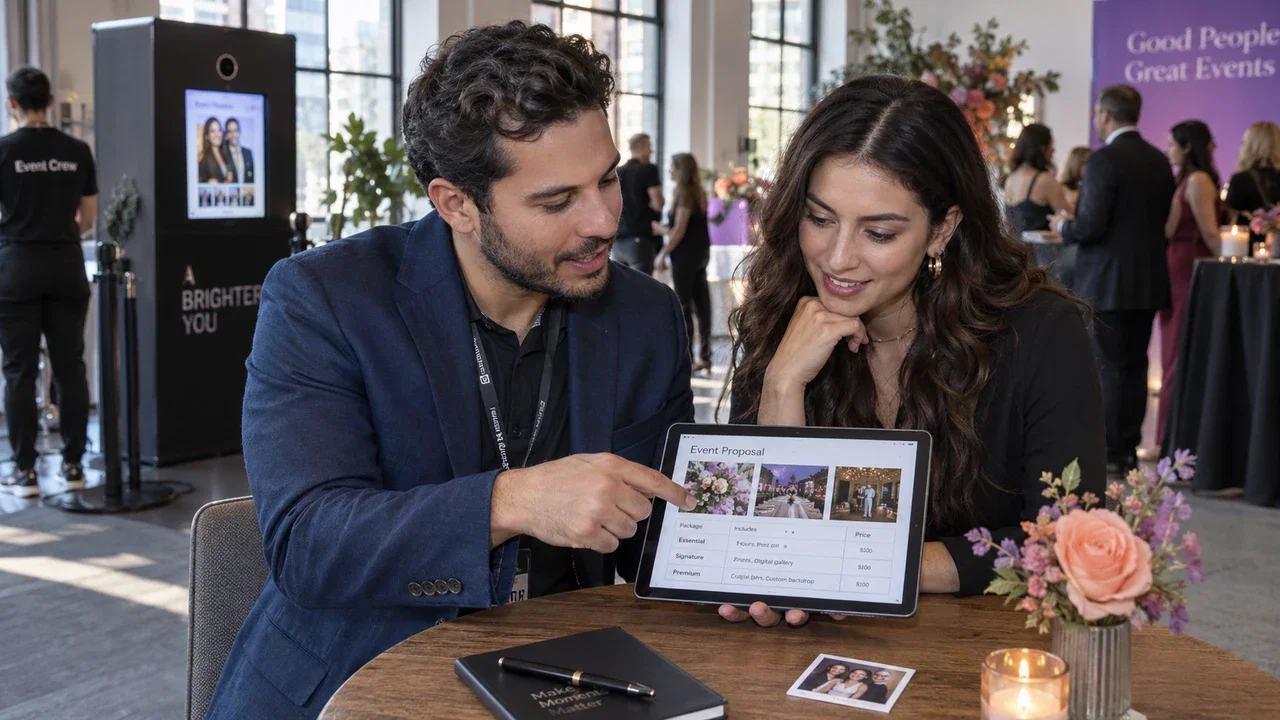
Start with venues, planners, photographers, DJs and agencies whose events suit your package. Tailor the proposal to an occasion they already sell. Offer a short demonstration and explain your delivery responsibilities. Agree referral or supplier arrangements explicitly instead of assuming access to free or guaranteed leads.
Follow up with a useful next step
Ask for an event date, venue, audience and objective so you can scope a real proposal. When a lead-capture experience is part of the offer, separate guest consent from your own sales process. After a completed booking, request permission to use selected visuals and invite a genuine review.
Put it into practice
Select a prospect whose existing events match one offer. Send a short demonstration with the guest journey, finished result, footprint and operating responsibilities, then ask about a real date or brief. A general list of fourteen applications makes the prospect do your planning for you. After the conversation, send the agreed next step and any missing information. Publish pilot or concept images honestly, and ask permission before using client work as proof of delivery.
Before you quote the project
Turn the idea into a deliverable scope. Agree these points with your client and venue before committing.
Define the brief
Choose prospects whose existing events fit one clearly scoped offer.
Test the complete setup
Show the guest journey and finished output, not just equipment photographs.
Confirm the scope
Follow up with the agreed brief or demonstration, not a generic catalogue.