


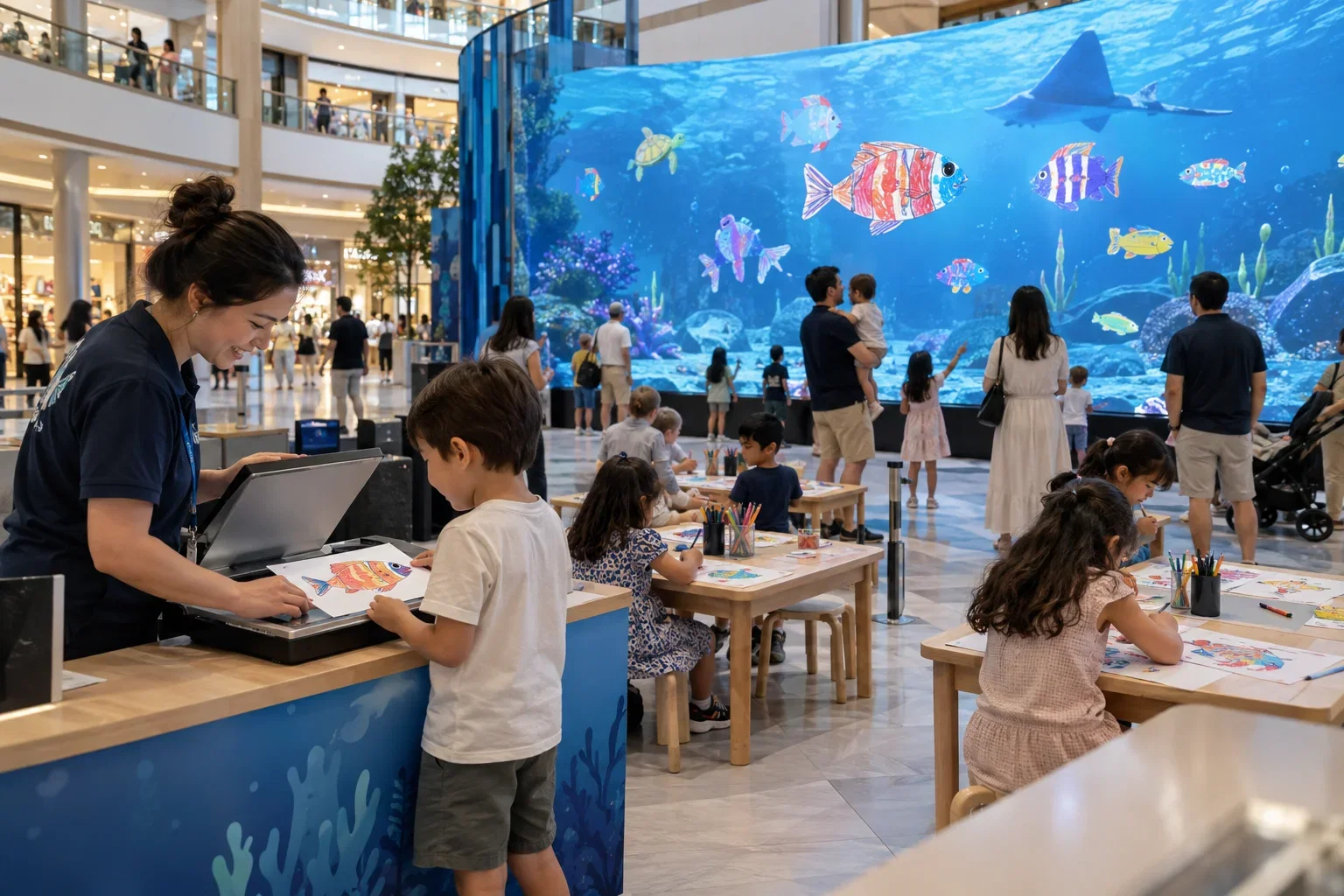
Start with a site survey
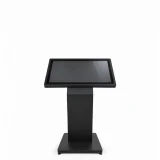
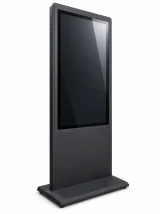
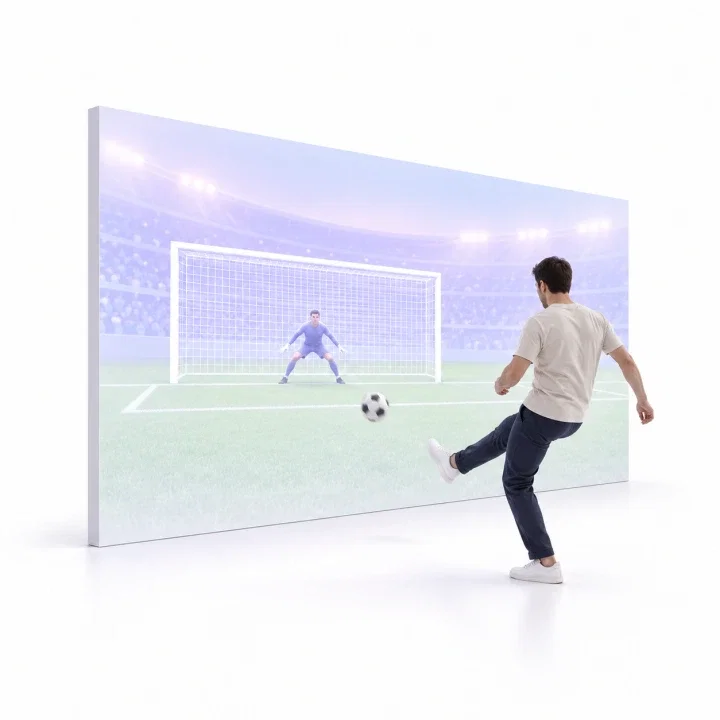
Document the space, power, network, light conditions, mounting and accessible guest approach. A Totem Kiosk may provide a touchscreen platform; aquariums and LiDAR walls need additional screens, projection or sensors. Confirm the full system design with the relevant suppliers.
Separate installation from operation
Agree commissioning, staff training, remote or on-site support and maintenance windows. Name the people who can change content and approve updates. Define what happens when the venue is closed, connectivity fails or equipment needs replacement. Avoid assuming every product runs unattended or offline.
Plan the commercial term
Compare purchase, hardware rental and software licensing as separate decisions. Confirm license scope, seats, renewal terms and content ownership. Build an exit or relocation process into the agreement so the installation can be moved or retired without leaving unresolved equipment and data responsibilities.
Put it into practice
Treat commissioning as an acceptance exercise, not only a delivery date. Agree the content, screen layout, sensing area and the people who will run the installation. Test opening, normal use, restart and support handover with venue staff. Record which settings can be changed locally and who maintains them. Include a relocation or removal process from the start. A permanent installation should have a named operational owner even when the guest interaction is self-service.
Before you quote the project
Turn the idea into a deliverable scope. Agree these points with your client and venue before committing.
Define the brief
Agree measurable commissioning checks before installing the equipment.
Test the complete setup
Test restart and staff handover using the final content and layout.
Confirm the scope
Assign maintenance, updates and eventual relocation or removal responsibilities.