


Choose a first customer and outcome
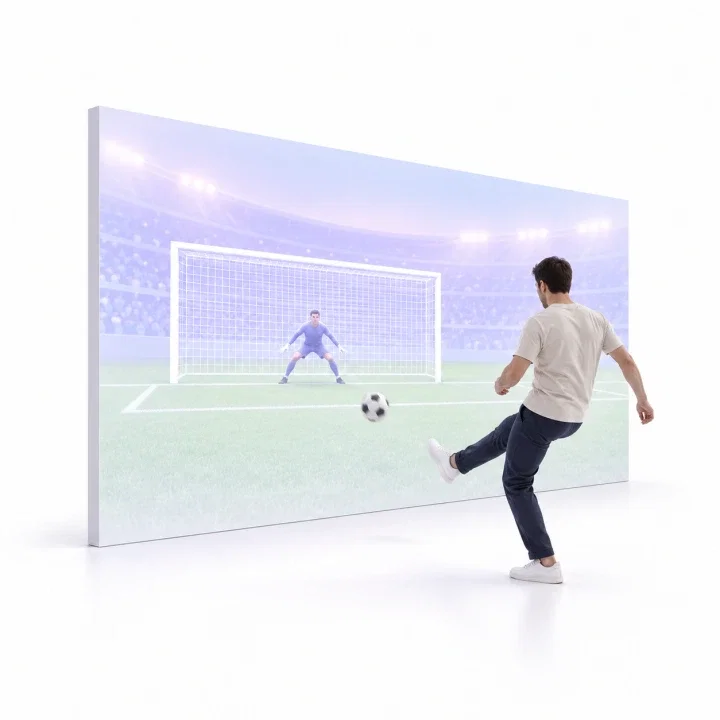
Interview the people who book the kind of events you can realistically serve. Weddings, exhibitions and family venues need different setups. Write a one-sentence offer explaining what guests do and what the organizer receives. Select the software only after that outcome is clear.
Build and rehearse a complete kit
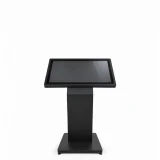
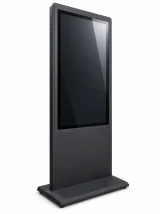
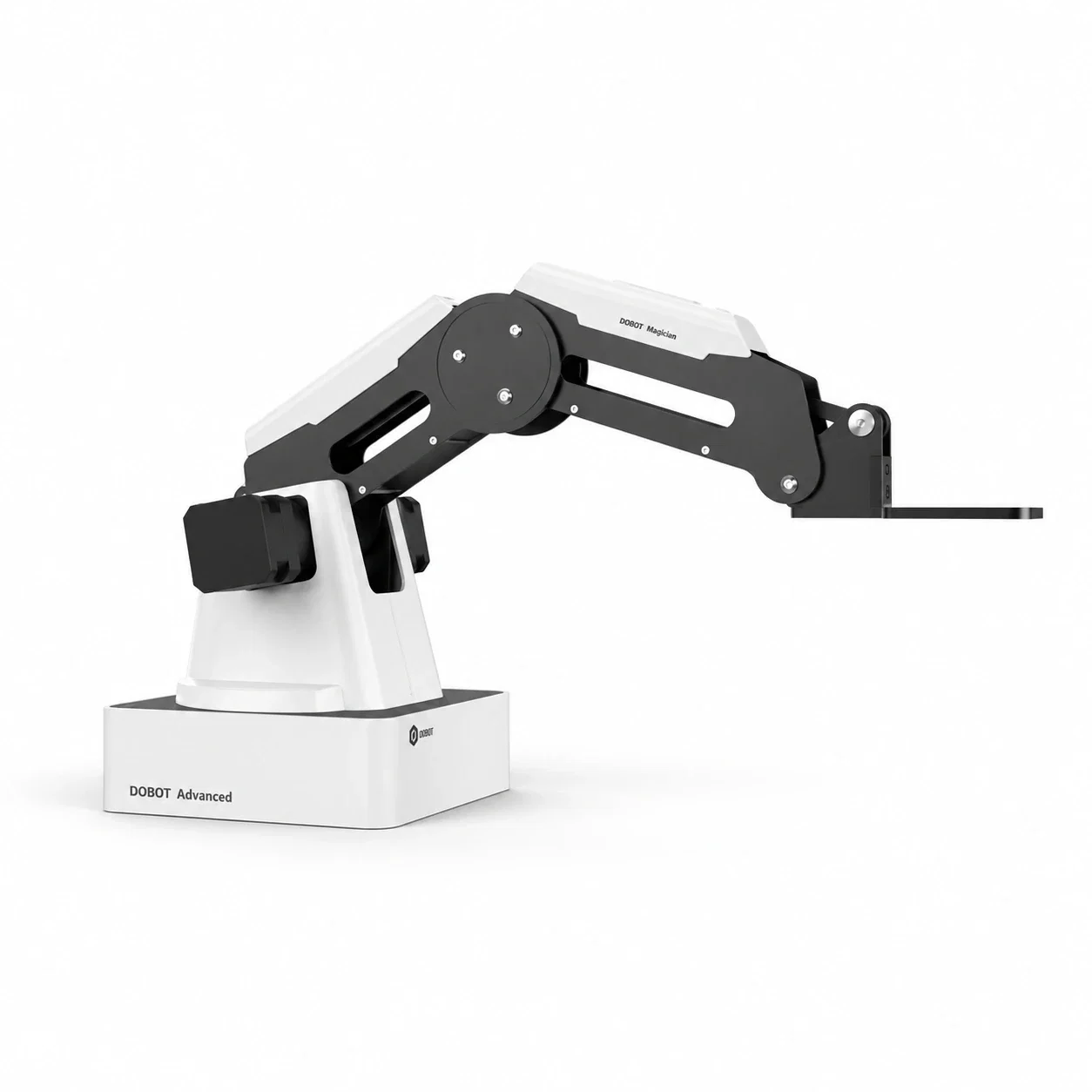
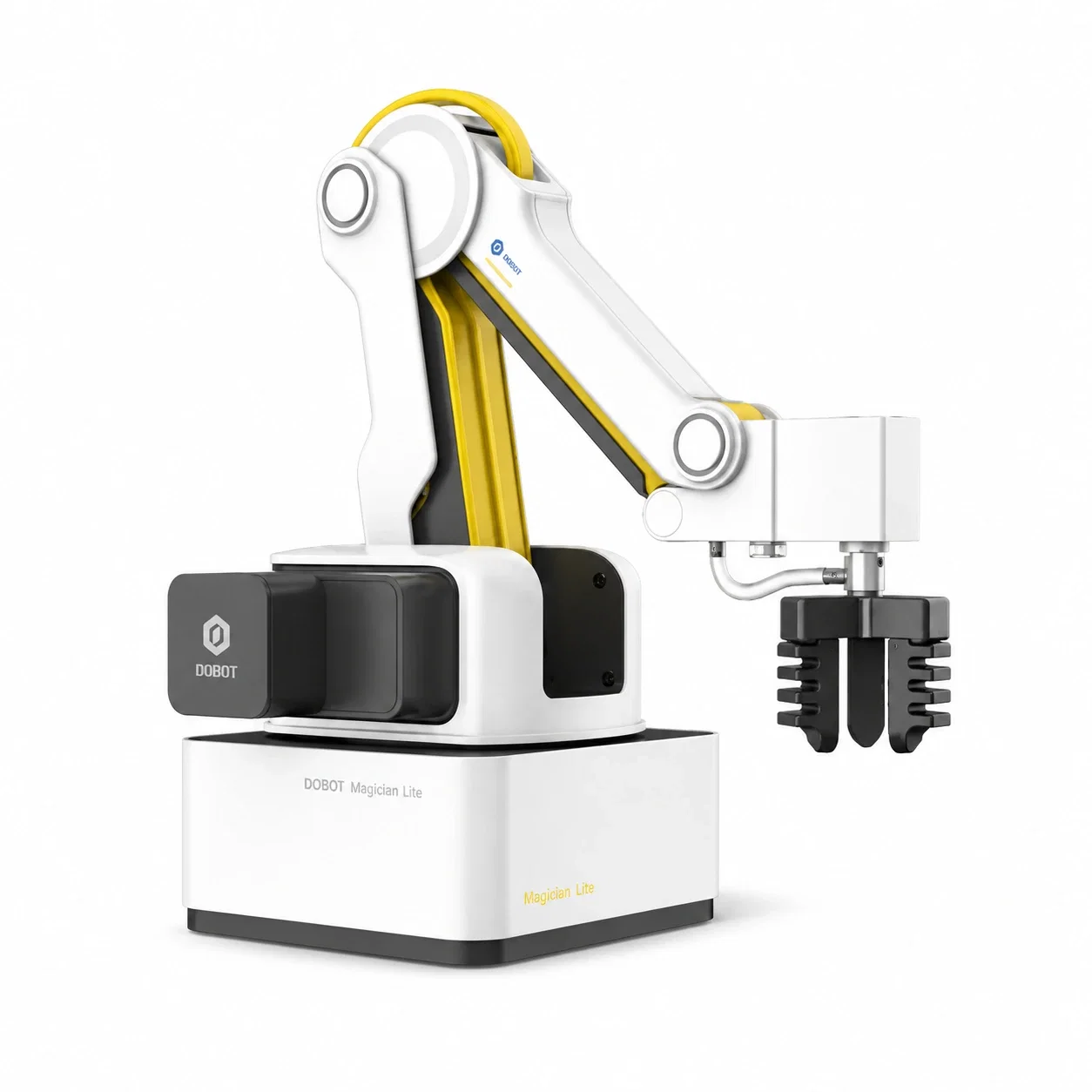
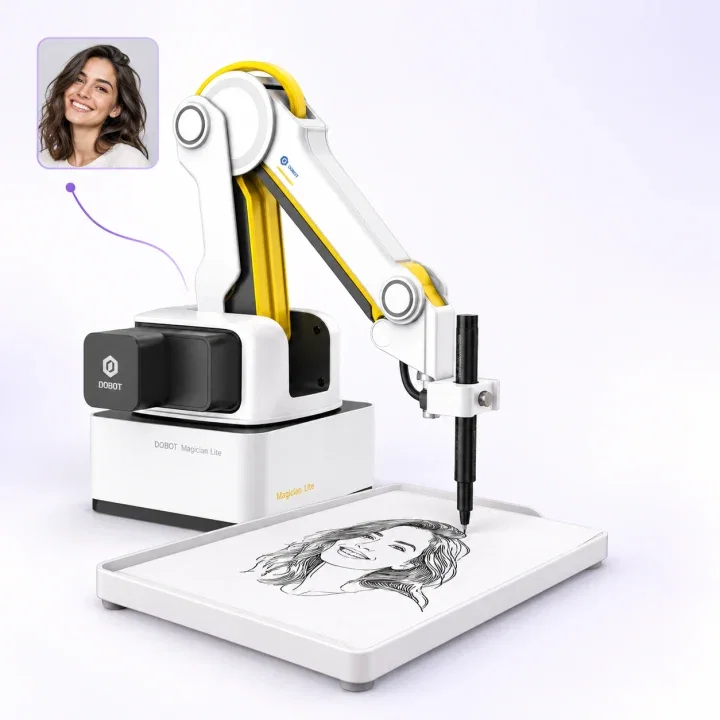
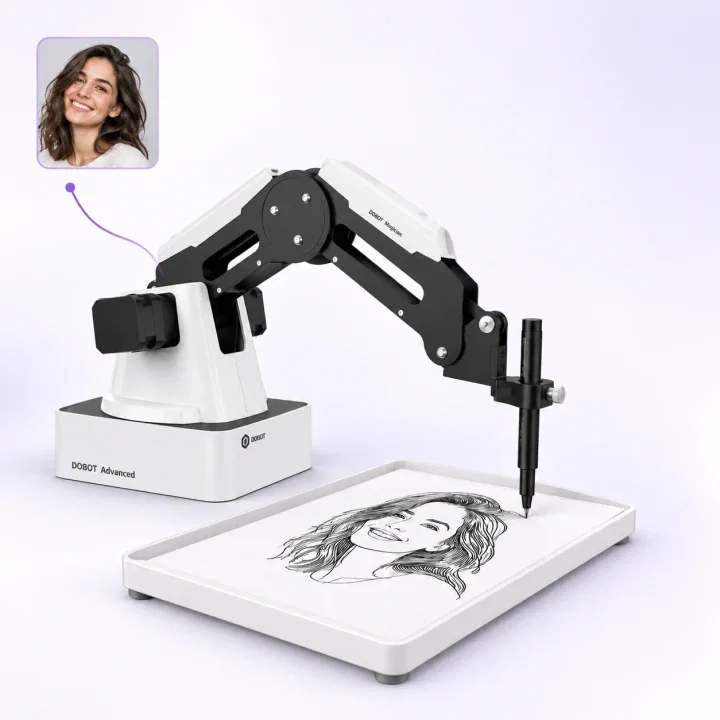
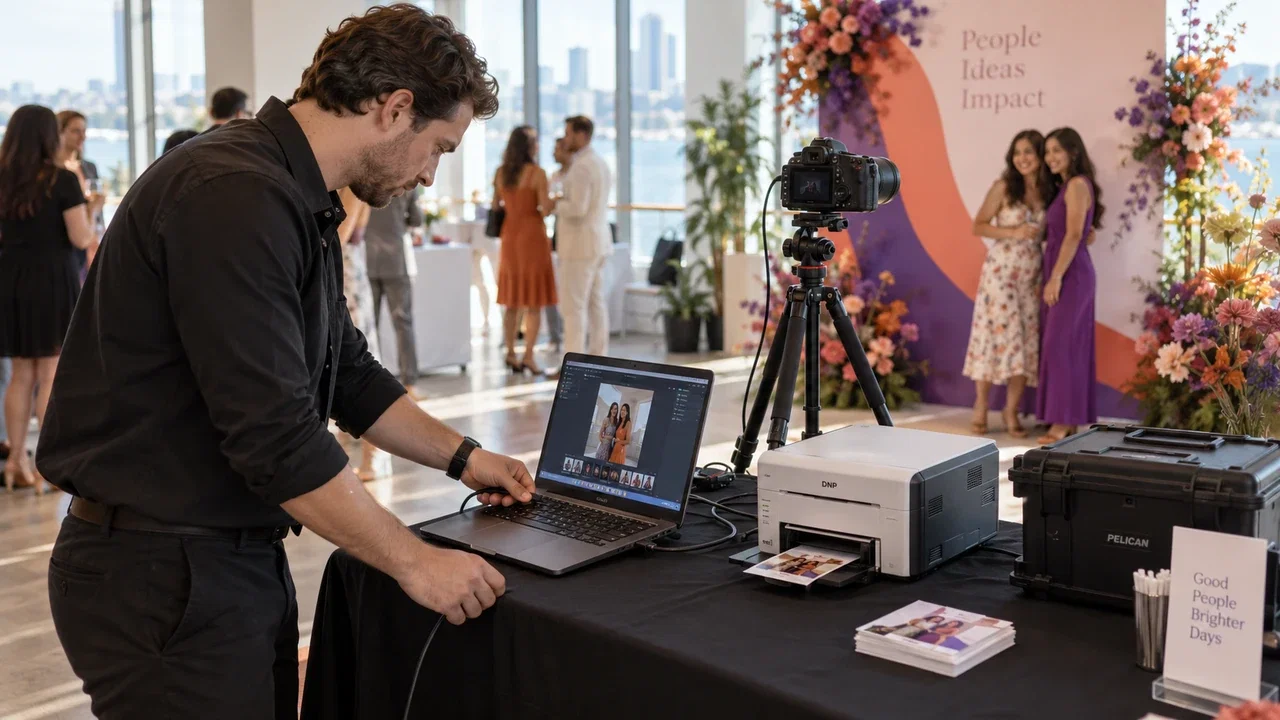
List the computer, screen, camera, lighting, printer or sensors the experience needs. Confirm compatibility, licensing, transport and storage before purchasing. A software subscription is not a complete booth. Test setup, operation, guest reset and recovery with the actual equipment and staffing plan.
Price a deliverable first package
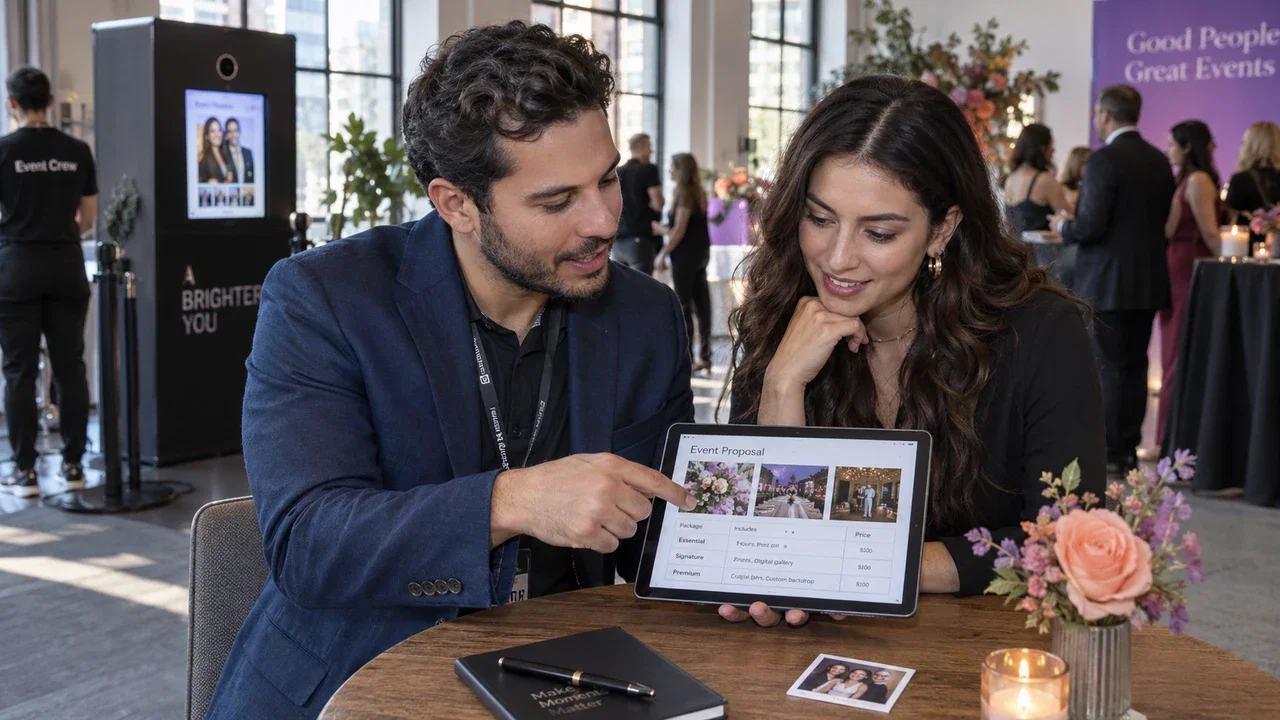
Include preparation, travel, installation, operation, consumables, software and support. Define the booking duration, included outputs and optional upgrades. Build a sample gallery and a clear proposal, then pilot the service at a realistic event. Use what you learn to refine the package before expanding.
Put it into practice
Write a first offer that a planner can understand without a product catalogue: the occasion, what guests do, what they receive and who operates it. Build that exact package with compatible equipment, then photograph and rehearse it. Record all preparation and delivery work, including travel and reset. Use a pilot to find the slowest part of the guest journey. Only add a second experience when it solves a real customer request and you can price the extra workload.
Before you quote the project
Turn the idea into a deliverable scope. Agree these points with your client and venue before committing.
Define the brief
Write one clear offer for a defined customer and occasion.
Test the complete setup
Rehearse the complete kit and record preparation and delivery time.
Confirm the scope
Use a pilot to refine the scope before buying the next attraction.